
R.I.S.E. Artisan Fund Sponsors the Kula Innovate Challenge Award for Three Craft Enterprises in India.


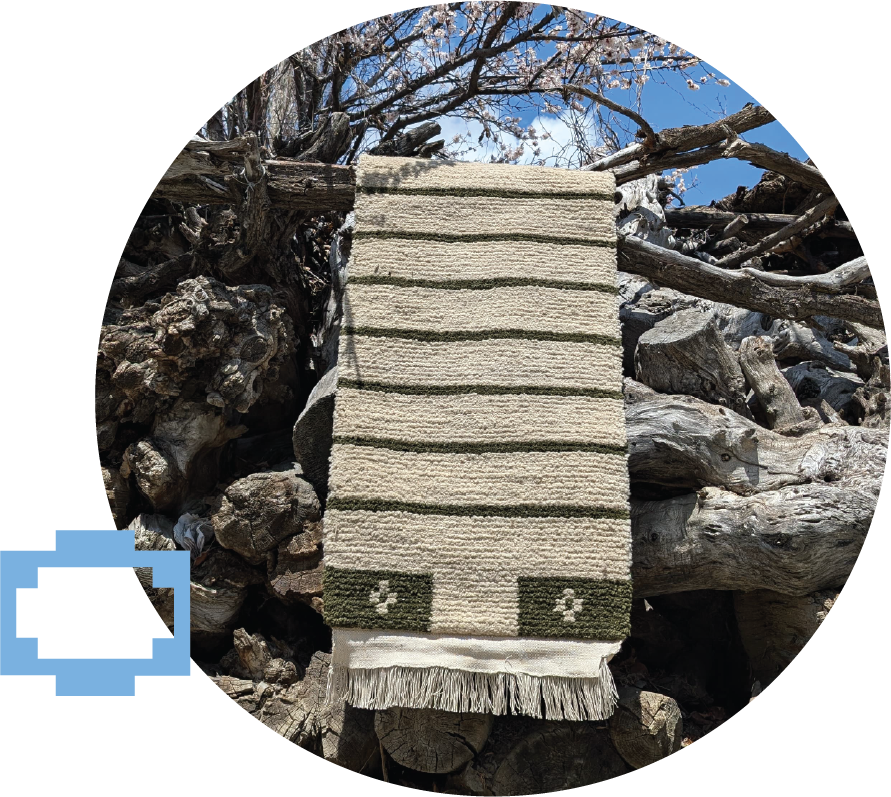
The R.I.S.E. Artisan Fund is proud to sponsor the Craft Revival Award of the Kula Innovate Challenge. Launched by 200 Million Artisans, the Kula Innovate Challenge provides a pathway to catalytic capital for craft enterprises across India, and offers award winners mentorship, cash awards and connection to a global network. These award-winning craft innovators —Mianzi, Samakhya Sustainable Alternatives, and The Wool Knitters — have been recognized for their innovations in climate action, sustainability and the circular economy.
200 Million Artisans advances India's cultural economy by bridging gaps in research, networks, and capital for craft-led enterprises. Founded by Priya Krishnamoorthy, 200 Million Artisan works to equip these enterprises with the tools, connections, and funding needed to drive dignified employment, gender inclusion and climate-positive innovation across India.
"Craft-led enterprises are decentralised, community-rooted and asset-light. They grow through trust, skills and distributed supply chains, not rapid scale or centralisation. But, most investment frameworks are built for very different kinds of businesses, often centralised factory-led models," explained Priya Krishnamoorthy. "For lasting change, the sector needs its own playbooks for capital, measurement and growth. Artisans are not mere beneficiaries; they are creative peers and entrepreneurs who need an enabling ecosystem and appropriate capital."
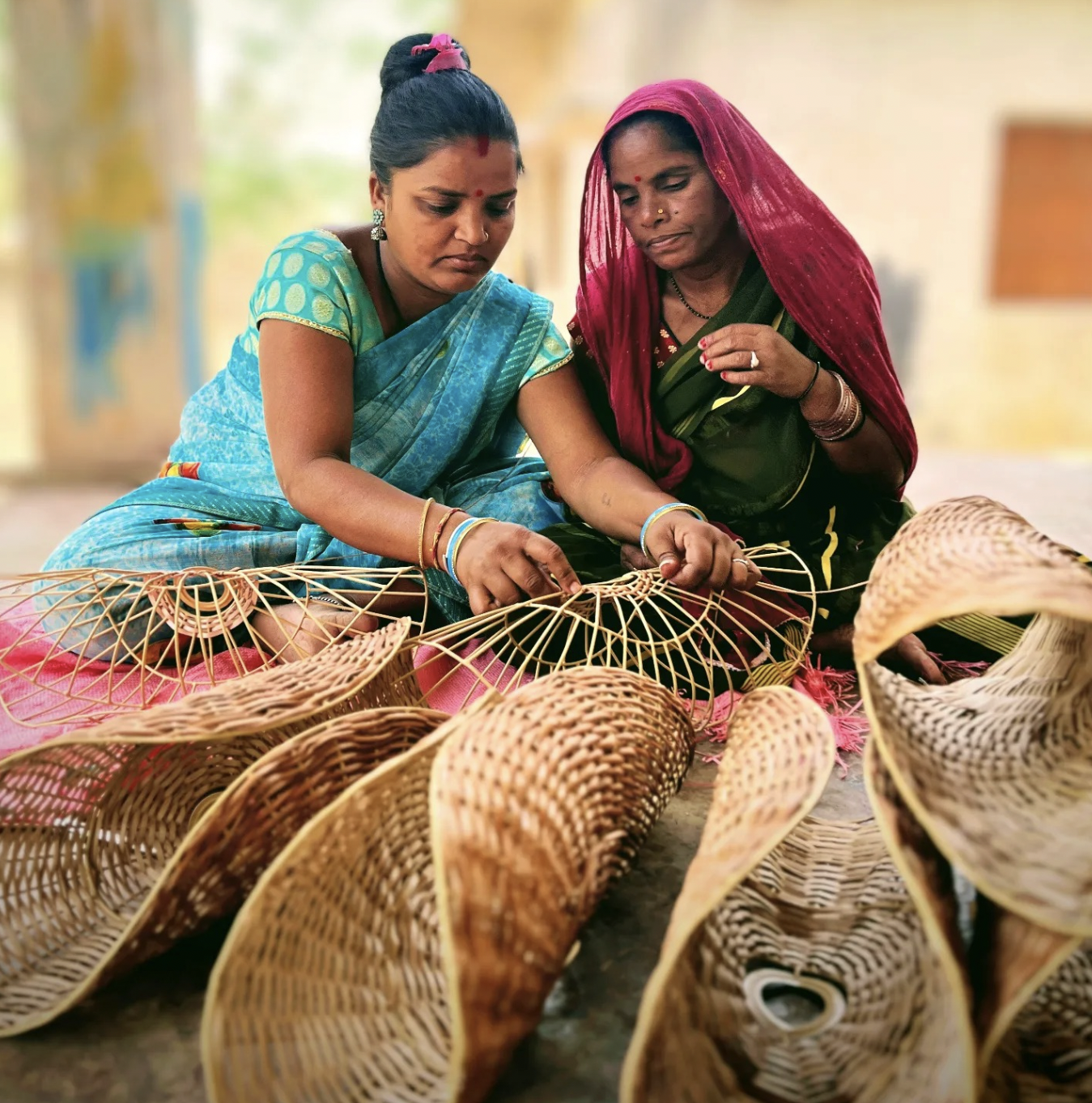
Mianzi is a purpose-led home décor and furnishing brand that is working to revolutionize and redefine sustainability through reimagining designs with the planet in mind.
Director of the R.I.S.E. Artisan Fund, Ellen Fish added: "These awards are far more than a financial investment. They reflect our belief that craft enterprises are not just core to our cultural heritage globally, but more critically, these enterprises are innovative leaders in design and sustainable production. Craft is the original circular economy, and these enterprises are building a regenerative future for us all.”
Mianzi's modular kits and computational tools allow artisans to produce scalable, precise, and durable bamboo products. By integrating traditional weaving and splitting techniques with modern design, the enterprise boosts productivity, ensures quality, and demonstrates how heritage craft can thrive in industrialized, design-driven markets.
Mianzi revives traditional bamboo craft by combining heritage craft techniques with design-led interventions, CAD tools, and modular craft kits. Working with more than 80 women artisans in rural communities in Madhya Pradesh, the enterprise enables home-based production of high-quality furniture and lighting for global markets, improving livelihoods, preserving craft skills, reducing waste, and building sustainable, future-ready craft ecosystems.




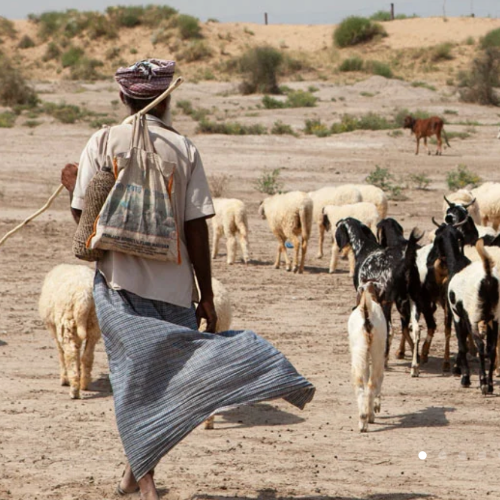
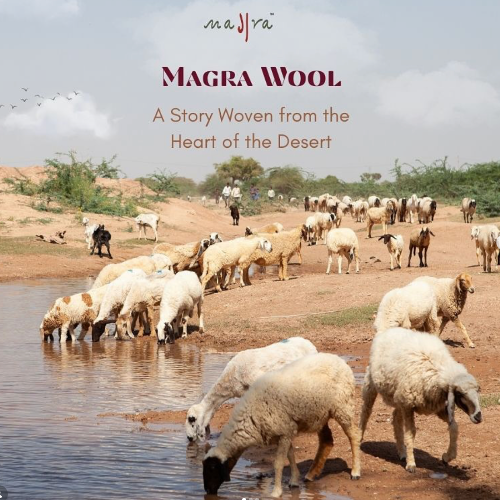
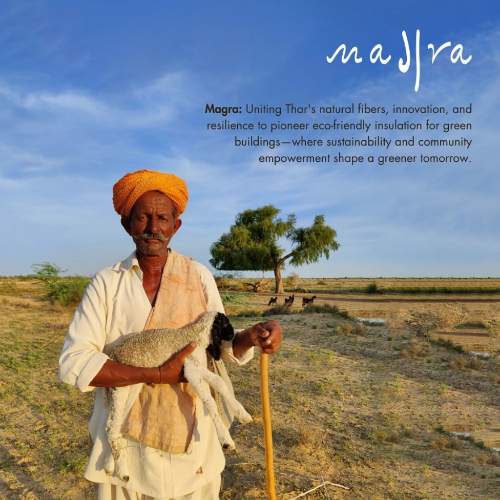
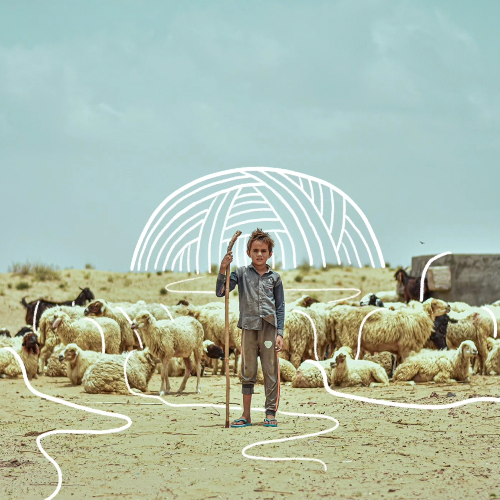
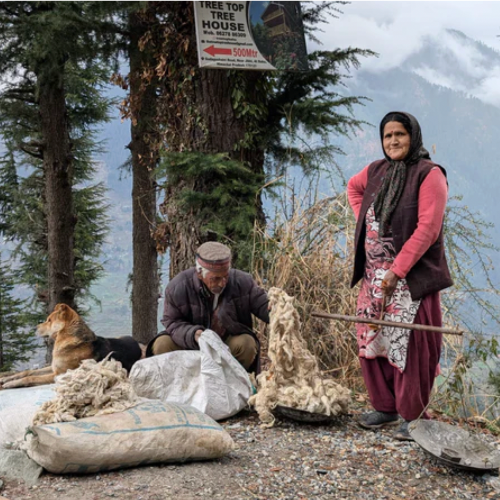
Based in Bikaner, India, Samakhya Sustainable Alternatives revives traditional pastoral fiber knowledge by transforming indigenous wool into climate friendly insulation. Partnering with over 500 nomadic sheep herders and more than 390 artisans in underserved regions of Rajasthan, India, the enterprise creates sustainable livelihoods, restores value to rural wool economies, and integrates artisanal craft into modern, high-performance building materials.
Samakhya's MAGRA process upcycles coarse Indian sheep wool, previously discarded, into carbon-negative, durable insulation. By combining heritage fiber techniques with modern design and technology, the enterprise strengthens rural craft economies, promotes sustainable interiors, and contributes to energy-efficient, healthier urban environments.
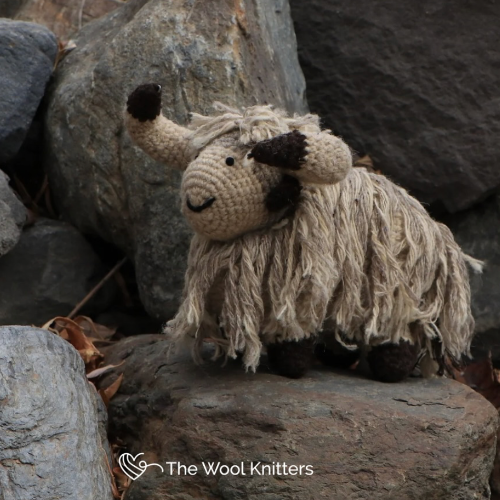
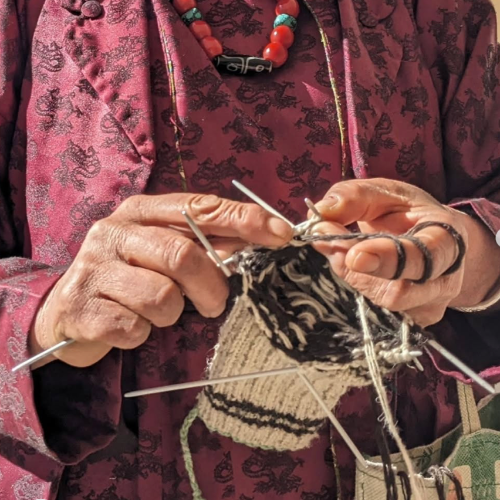
Founded by Shivani Thakur in Himachal Pradesh in northern India, The Wool Knitters is revitalising Himalayan wool traditions by building a circular value chain around local fibers. Rooted in community and craftsmanship, the enterprise provides sustainable livelihoods for rural artisans while preserving hand spinning, weaving, and Tsug den textile techniques.
Through fair wages and practical training,The Wool Knitters provides climate-positive livelihoods for 120 artisans — over 91% of whom are women — enabling them to be stewards of their own heritage. This summer, The Wool Knitters will participate in the International Folk Art Market, expanding their reach and connecting these rural artisans with a global audience.


We focus our mission-driven investments on women’s empowerment, sustainability and climate change.Then, we use our investment returns to support vocational training and education for women and girls in rural communities in emerging markets. We unlock opportunities for sustainable development and deliver twofold impact with these investments.