
Sprout Enterprise® 2025 Impact Report: Creating Twofold Impact
Investing in Artisan Enterprises for over 25 years.
Craft is the original circular economy. The craft story today is what the story of craft has always been – of artisans making use of waste, left over or found materials, of design and innovation to perform the alchemy of material transformation into a product of function and beauty, of expressing and sharing community values, and of telling the stories of each generation. Investing in artisan enterprises improves the quality of life and creates a sustainable future for rural communities with few economic alternatives.
Since our inception, we have:
Provided more than $2.1 million in grants and market development support.
Generated more than $822,000 in international sales fueling enterprise growth of our artisan partners.
Promoted more than 60 artisan enterprises generating livelihoods for more than 15,000 artisans and farmers in 16 countries.
Created economic and educational opportunities for women and girls in rural India through our support for the Kaliyachak Girls' Learning Centre in rural Bihar.
Creating a Twofold Impact Model with the R.I.S.E. Artisan Fund
We focus our mission-driven investments on women’s empowerment, sustainability and climate change. Then, we use our investment returns to support vocational training and education for women and girls in rural communities in emerging markets. We unlock opportunities for sustainable development and deliver twofold impact with our investments.

An Indonesian weaver uses palmyra leaves to create baskets and other home decor items for Du Anyam. Raw materials which are grown and harvested locally, and then handwoven, reduce the carbon footprint of Du Anyam’s home decor collections. © 2026 Du Anyam
In 2025, we provided working capital loans to:
Du Anyam has helped to reintroduce traditional wicker crafts to modern markets while creating sustainable income for rural artisans. The enterprise enhances the women’s financial stability while also improving their families’ access to nutritional food, healthcare and education. Beginning with eight women weavers in East Flores, Du Anyam now works with over 1,600 women across 54 rural villages in Indonesia.
Vidrio Artesanal Xa Quixe is a Mexican company inventing eco-friendly processes to create blown glassware of exceptional quality from recycled glass. Through innovations in clean energy, proprietary designs for furnaces and equipment, and engagement of the local community, Xaquixe demonstrates its commitment to reducing the environmental impact of artisan production.
Providing Catalytic Capital to Artisan Enterprises
Through our market development grant program, we support artisan enterprises with a clear mission to increase incomes for underserved communities, preserve traditional craft techniques, and address the environmental impact of their production.
Over the three years of our pilot program, we have provided 25 small grants totaling $166,800 in funding for 21 enterprises from 11 countries. These enterprises generate sales of more than $2.6 million dollars, creating livelihoods for more than 7,500 artisans and farmers.
In 2025, we provided market development grants to eight artisan enterprises:
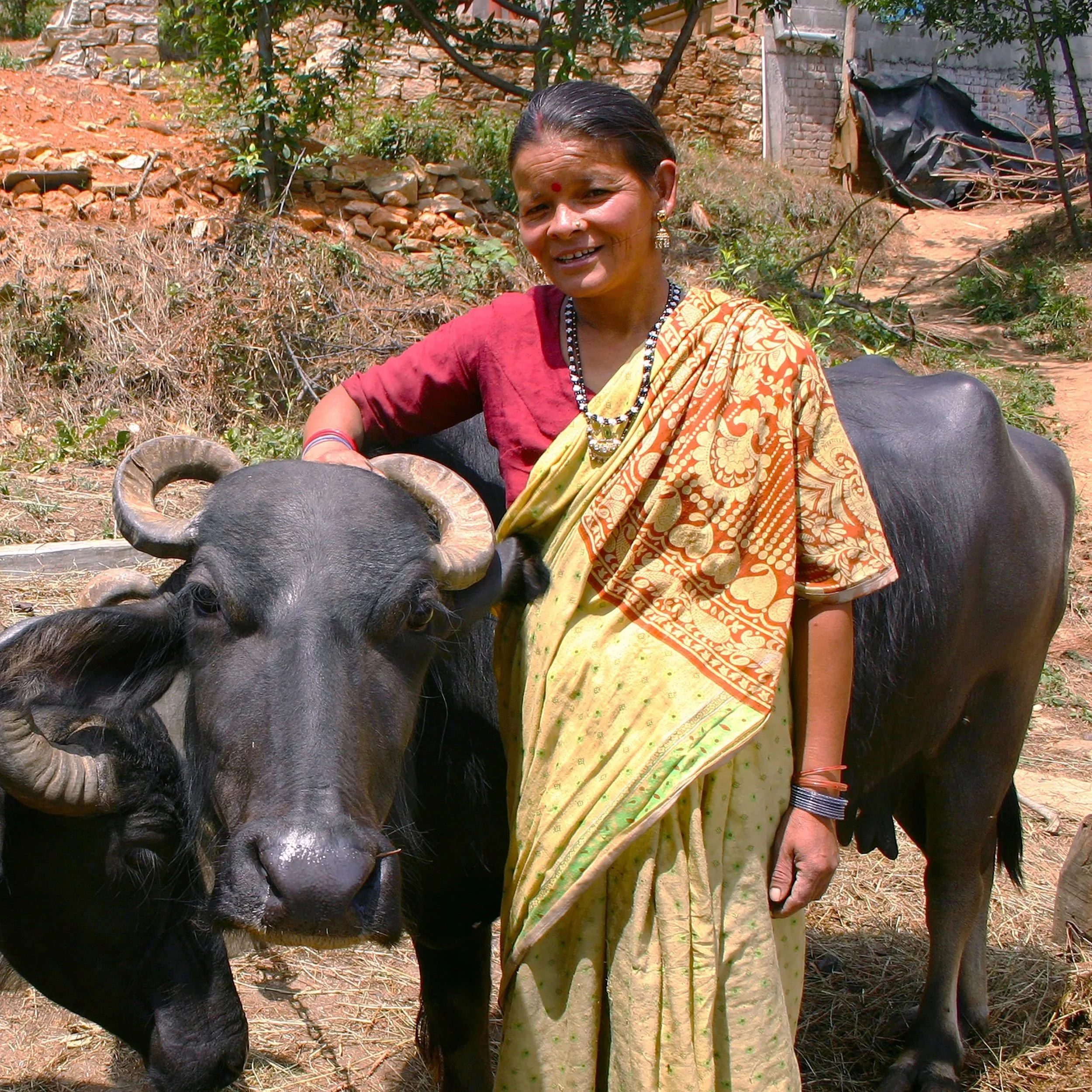
Avani is a community-based organization creating sustainable livelihoods in the Kumaon region of the Indian Himalayas through the revival of heritage craft, implementation of appropriate technology and conservation initiatives in rural communities. More than 2,200 artisans and farmers have benefited from Avani's initiatives in this remote mountain region in northern India.

Bawa Hope is an ethical fashion company working with 140 artisans in the informal settlements in Kenya to create and develop contemporary, ethnic jewelry which satisfies the conscious consumer’s desire for value, quality and fashion while creating sustainable opportunities for artisan communities.
Bawa Hope collaborates with refugee artisans to produce a line for MADE51.
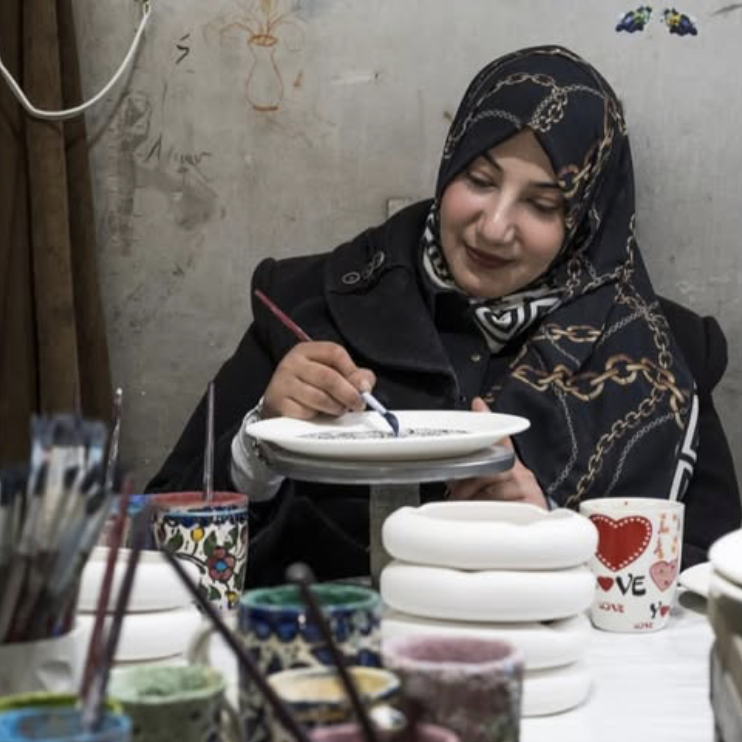
Bethlehem Fair Trade Artisans supports Palestinian artisans creating home décor, kitchenware and accessories with traditional Palestinian craft techniques. Each piece is handcrafted with care, using hand carving and hand molding techniques passed down through generations. By marketing these products worldwide, the organization shares the heritage of Palestine with the global community.
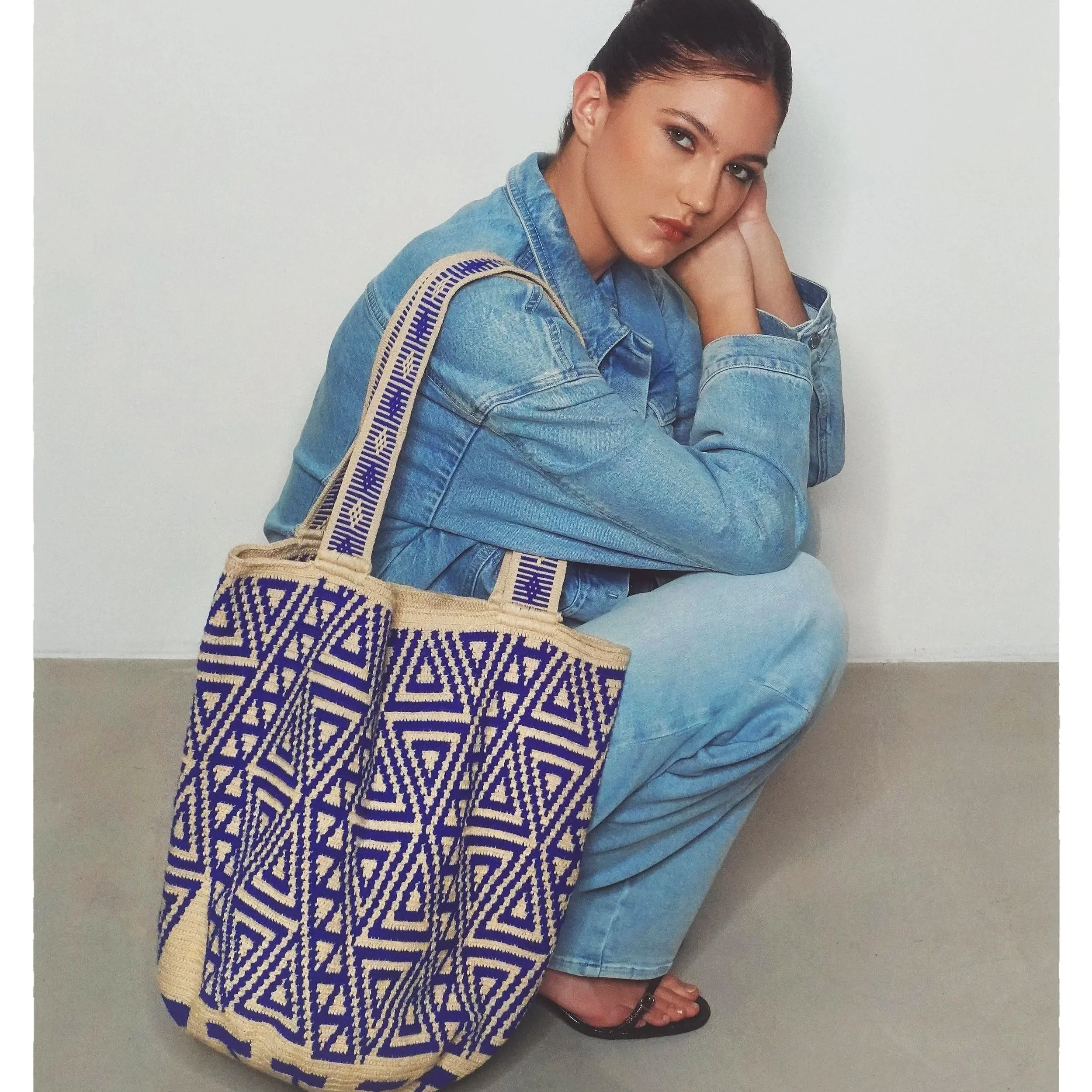
Delzur collaborates with 220 artisans in 12 indigenous communities in Colombia to weave its handcrafted collections. Indigenous stewardship has proven to be one of the most effective methods for protecting biodiversity and mitigating climate change. In Colombia, 35% of national territory is titled to and governed by indigenous and Afro-Colombian communities, including 50% of Colombia's remaining forests.
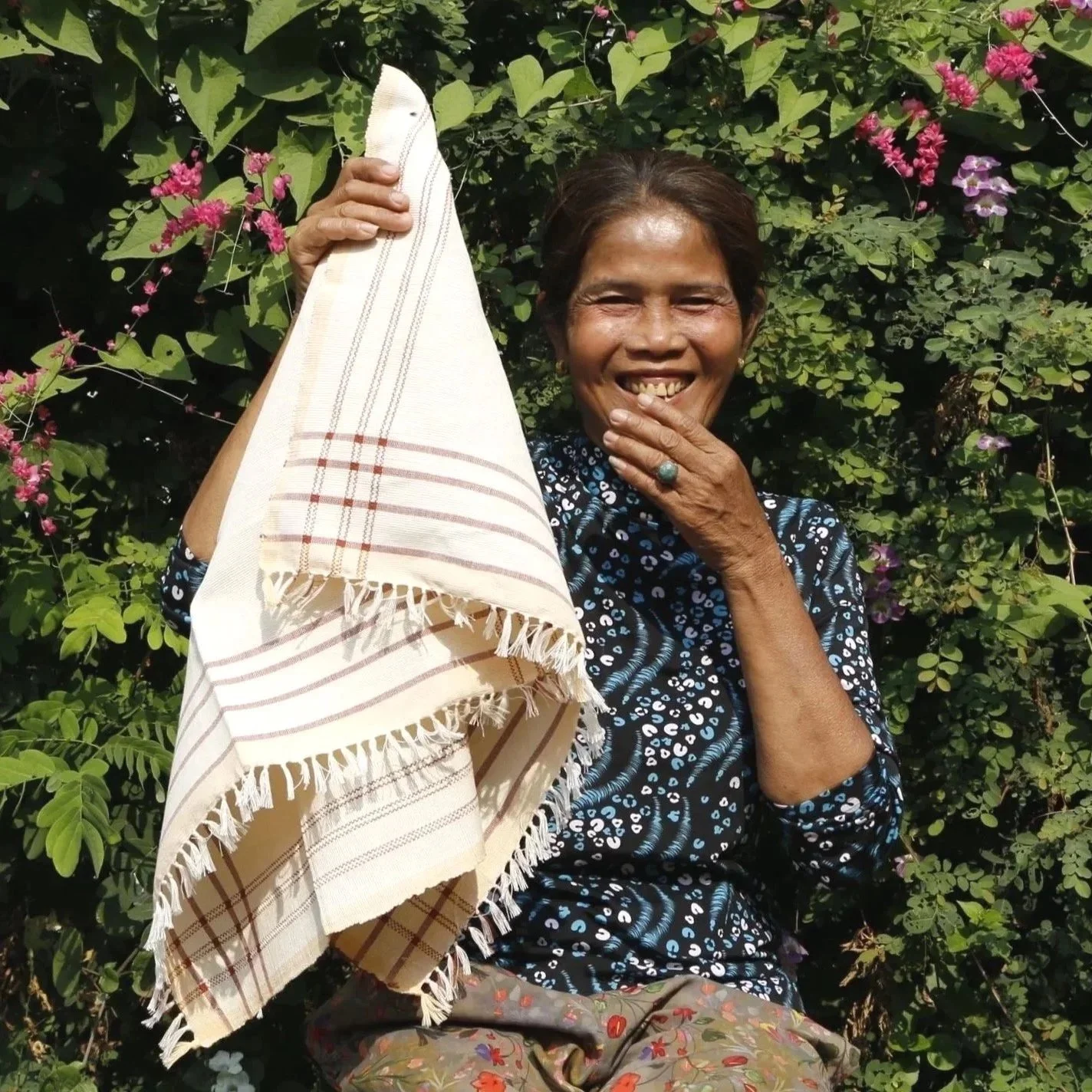
Fair Weave is a social enterprise working with 120 women weavers in Phnom Srok district in northwestern Cambodia to offer ethically made, handwoven textiles made with natural fibers and dyes for home furnishings and apparel. In this region of Cambodia, Khmer women have been weaving since the 13th century. Textiles are handwoven on traditional looms with skills handed down from mother to daughter for generations.

Hadithi Crafts is a community based organization representing more than 65 women’s groups in southeastern Kenya in the Tsavo ecosystem. Over 1800 women from 20 villages weave baskets and create jewelry to earn an income to support their families. This income provides an alternative to subsistence farming, poaching wildlife or cutting down forests for charcoal, timber and more farmland.
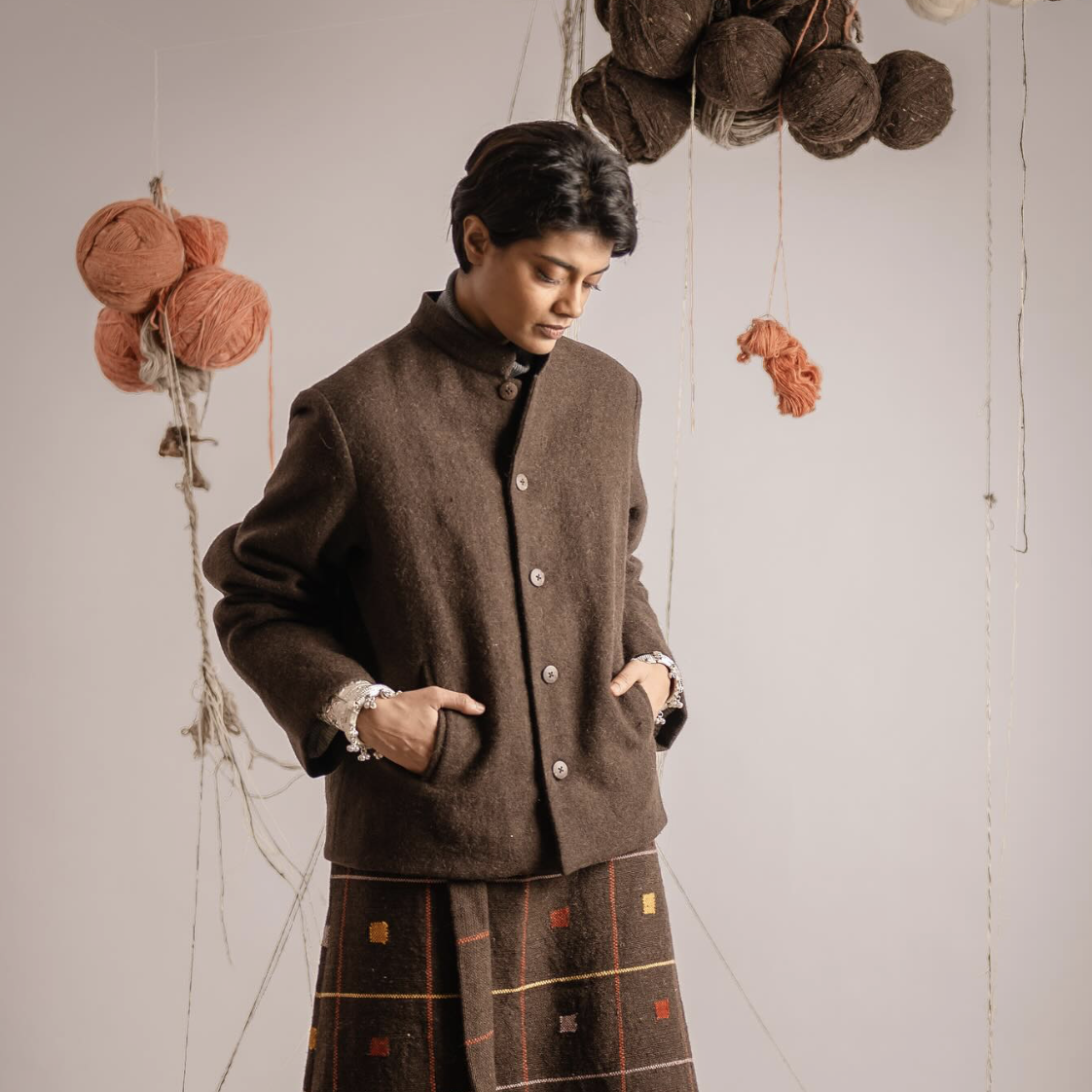
Kullvi Whims is a social enterprise rooted in the heart of Kullu, Himachal Pradesh in northern India, merges tradition with contemporary charm. From sourcing wool from nomadic shepherds to natural dyeing with local flora and hand-crafting all products, Kullvi Whims collaborates with over 400 artisans and shephards, celebrating the cultural heritage and sustainability of the region.
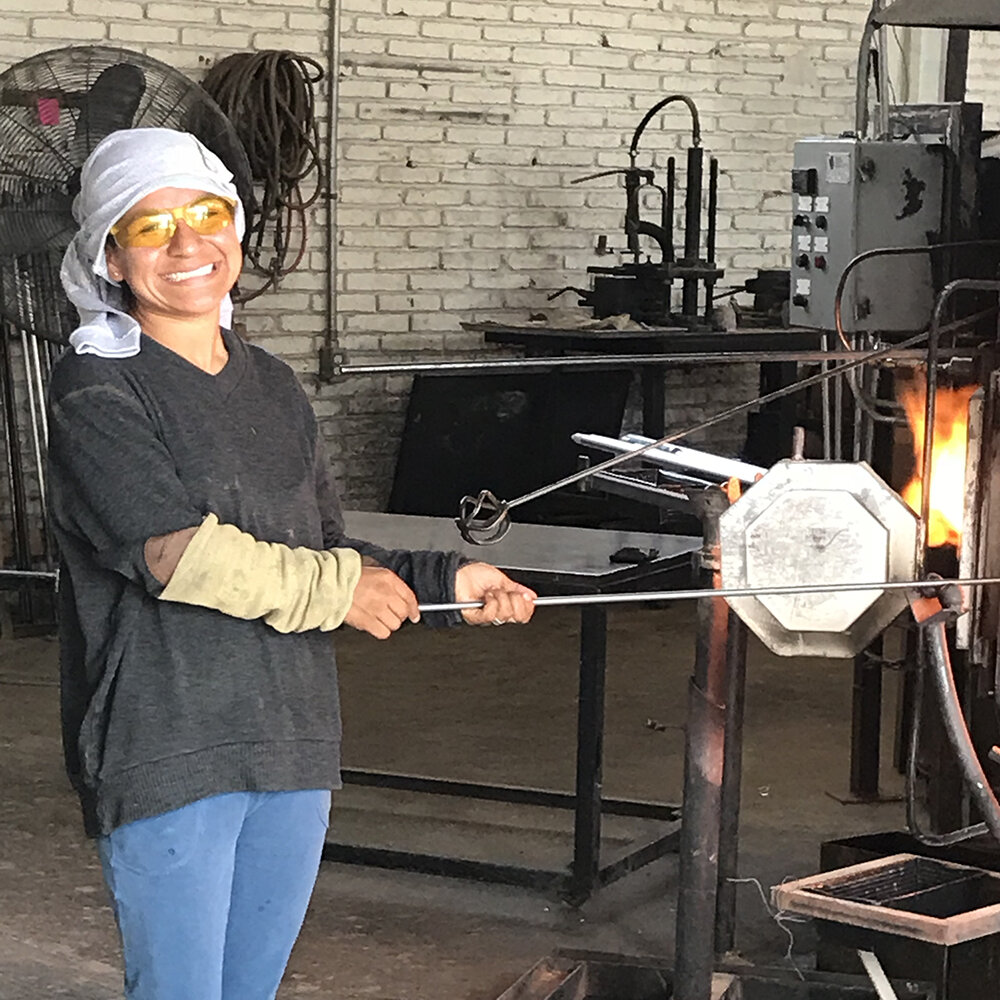
Xaquixe is a glass innovation studio in Mexico creating blown glassware using recycled glass collected from local communities, and using waste vegetable oil collected from local restaurants to fire its glassblowing furnaces. Xaquixe supports the development of sustainable technologies through Procesos Proambientales Xaquixe (PPX) to support local mezcal producers, ceramists and glassmakers.
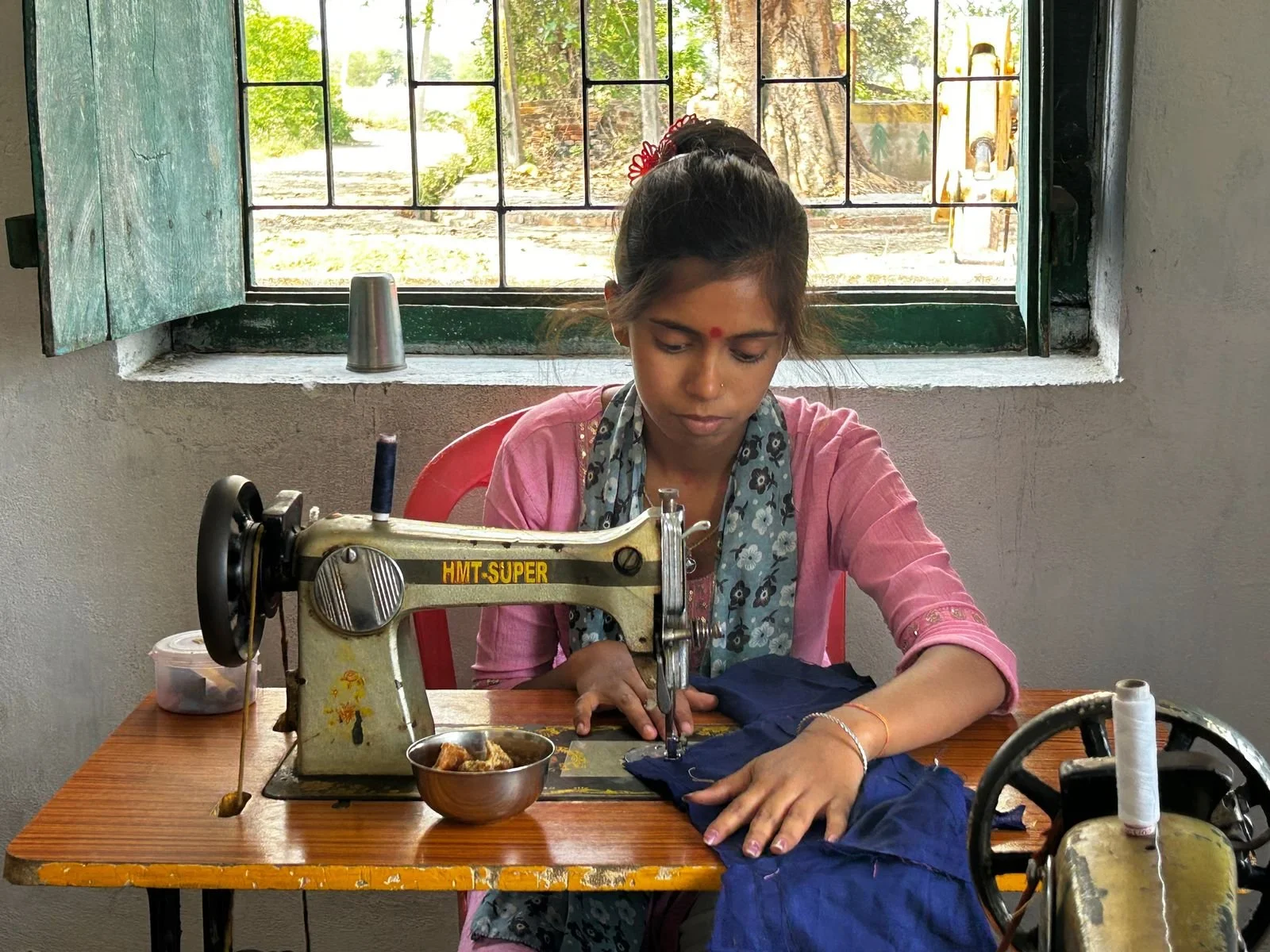
More than 140 girls between the ages of 6 and 18 attend the Kaliyachak Girls' Learning Centre in rural Bihar, India. Another 21 young women are enrolled in the Centre's vocational training program in tailoring. Our goal is to be able to fund the Centre's annual budget through our returns on our investments in artisan enterprises. © 2026 FORRAD
Education & Vocational Training for Girls & Young Women
Education is fundamental to women's economic and political empowerment. Basic literacy and numeracy are essential skills to enable agency. Whether or not a girl goes to school -- and stays in school -- has a profound effect on her and on her future family. Staying in school longer means she will likely marry later, earn a higher wage, have a healthier family and send her own children to school.
Since 2016, we've supported the Kaliyachak Girls' Learning Centre in rural Bihar, India, a region where female literacy is only 45%. All of the girls attending the Centre come from families of casual laborers, marginal farmers and sharecroppers who survive on under three dollars a day.
Kaliyachak Girls Learning Centre Annual Report - December 2025
Sprout Enterprise® 2025 Impact Report
Sprout Enterprise® is a mission-driven enterprise building the business capacity and entrepreneurial skills of artisan enterprises in rural India, Mexico, Cambodia, Guatemala, Indonesia, Pakistan, Palestine, Uzbekistan, Chile, Colombia, Ghana, Kenya and Zimbabwe.
Created by Realize Impact and Sprout Enterprise®, the R.I.S.E. Artisan Fund invests in early stage artisan enterprises creating sustainable livelihoods for rural communities with few economic alternatives.


