
Bawa Hope: Where Wings of Hope Lift Communities from Poverty
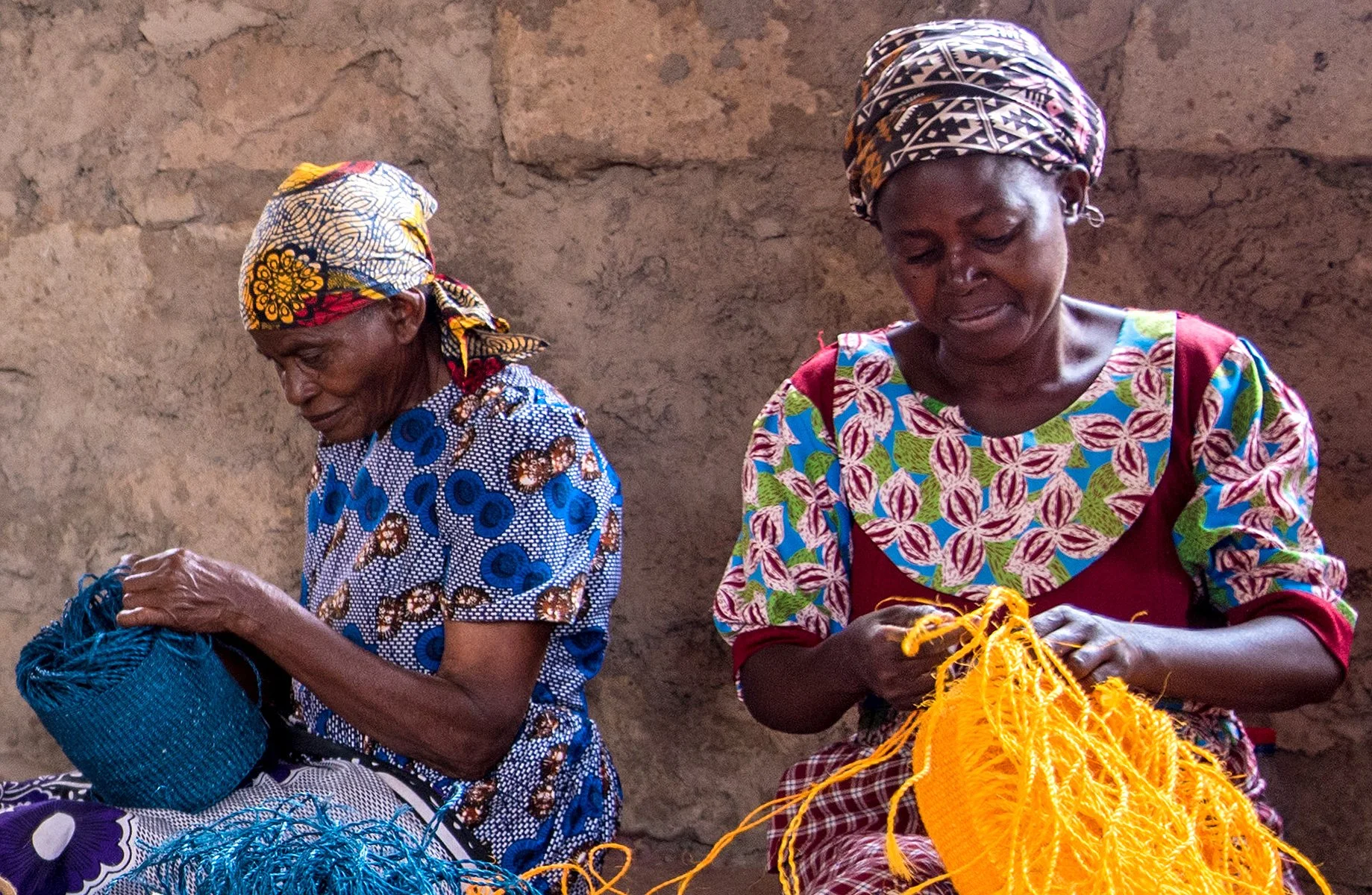
In Swahili, "bawa" means wing. For the artisans working with Bawa Hope in Nairobi, Kenya, that wing offers something more: the lift to escape cycles of poverty that have defined their lives. Founded in the aftermath of Kenya's post-election violence in 2008, Bawa Hope has become a bridge between marginalized communities and global markets, transforming trauma into beauty through contemporary, ethnic brass jewelry, beaded jewelry, and woven baskets.
The enterprise's origin story began in an internally displaced persons(IDP) camp in January 2008, where founder Anne Nzilani encountered women making jewelry amid the chaos of displacement. When Anne asked one woman why she continued creating despite losing everything, the response became the company's north star: "The poorest person in the world isn't one without food and shelter, but one without hope."
Sprout Enterprise® 2025 Impact Report: Creating Twofold Impact
We’ve Invested in Artisan Enterprises for over 25 years.
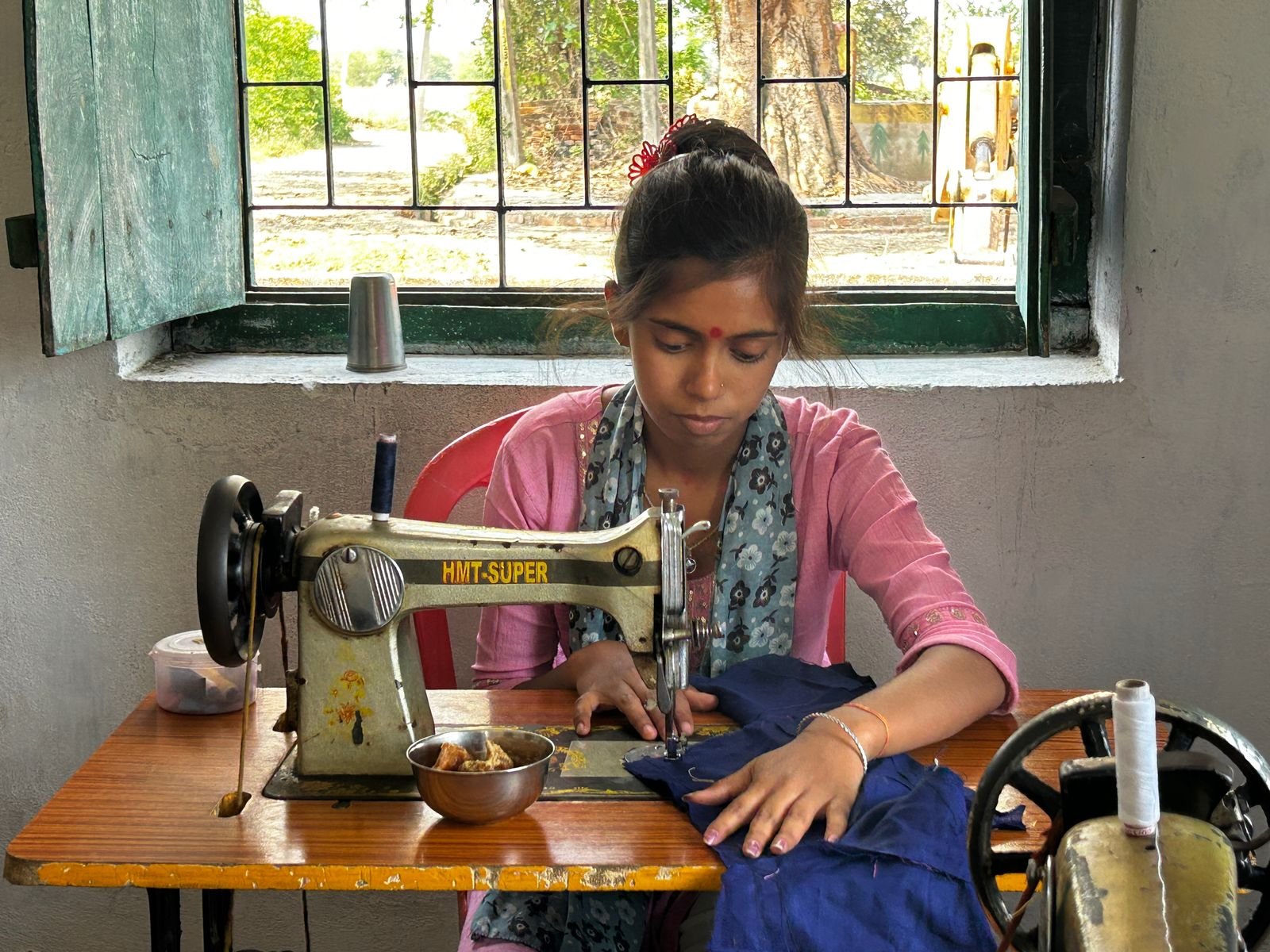
Craft is the original circular economy. The craft story today is what the story of craft has always been – of artisans making use of waste, left over or found materials, of design and innovation to perform the alchemy of material transformation into a product of function and beauty, of expressing and sharing community values, and of telling the stories of each generation. Investing in artisan enterprises improves the quality of life and creates a sustainable future for rural communities with few economic alternatives.
Kaliyachak Girls’ Learning Centre
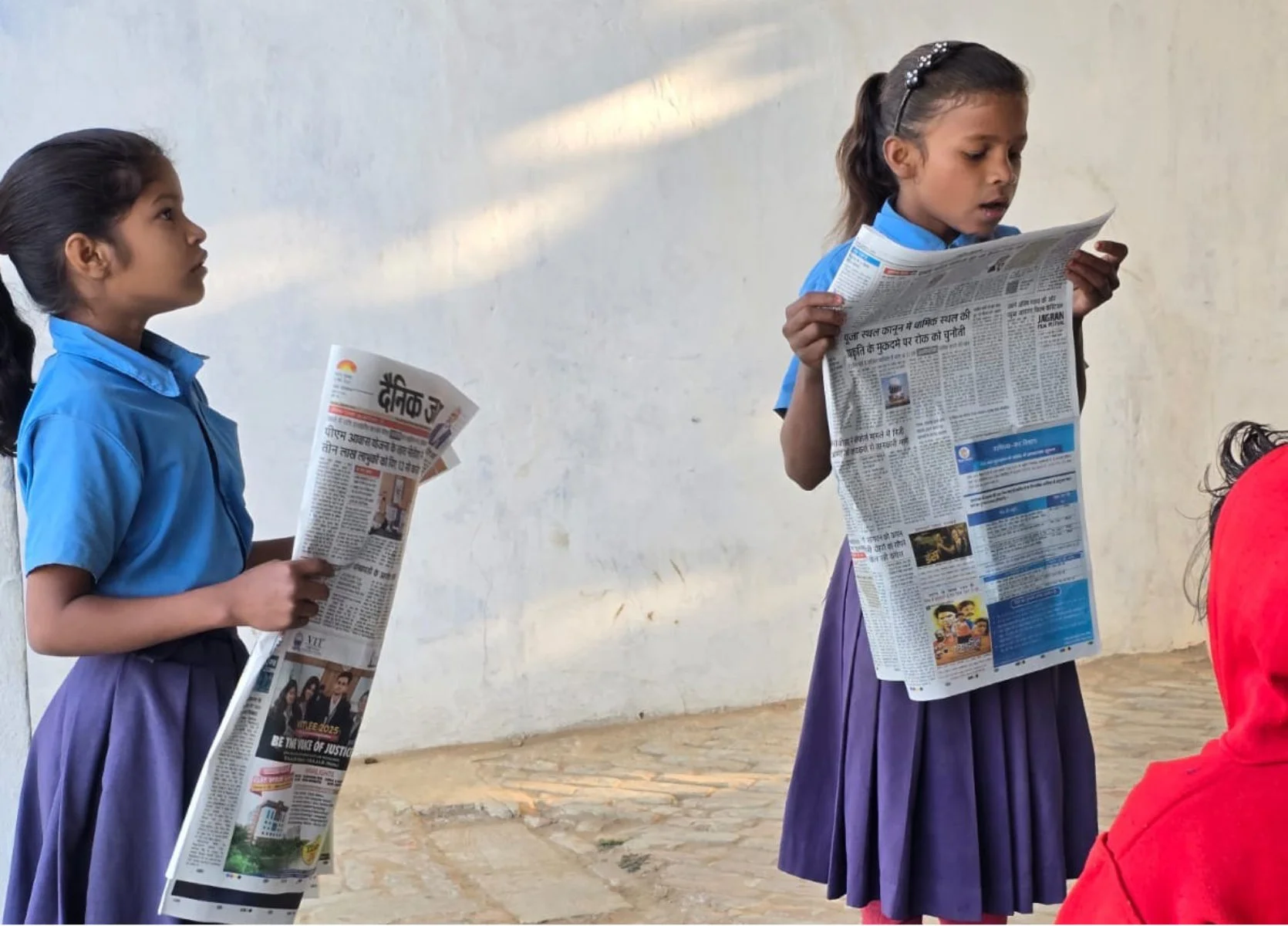
The Kaliyachak Learning Bridge for Girls functions on the premises of Samaj Kalyan Mandal, in the village of Kaliyachak, District Nalanda, Bihar. Samaj Kalyan Mandal is a 40 year old community-based organization. The Learning Centre has classes from Standard 1 to 6 and operates six days a week, in the mornings in summer, and in the afternoon in winter. The students come from Kaliyachak and the neighbouring hamlets of Saristanagar, Aganu bigha, Mal bigha, Linepar, Nauliya bigha, Bhadauan and Bhat bigha. Approximately 75% of the girls enrolled in the Centre regularly attend the government school later in the day. The rest return home to help with household chores and care for their siblings.