2026 Market Development Grants
The R.I.S.E. Artisan Fund is proud to announce the recipients of its Market Development Grant Program for 2026. The program supports artisan enterprises with a clear mission to increase incomes to underserved communities, preserve traditional craft techniques, and address the environmental impact of their production.
Small grants of $5,000 to $10,000 help artisan enterprises make strategic market development investments to further their mission and strengthen their impact. In addition to financial support, the program offers grantees mentoring, coaching and networking to support their international marketing and overall business development.
Grants have been awarded to nine enterprises from seven countries around the world creating livelihoods for artisans in rural communities. We congratulate:
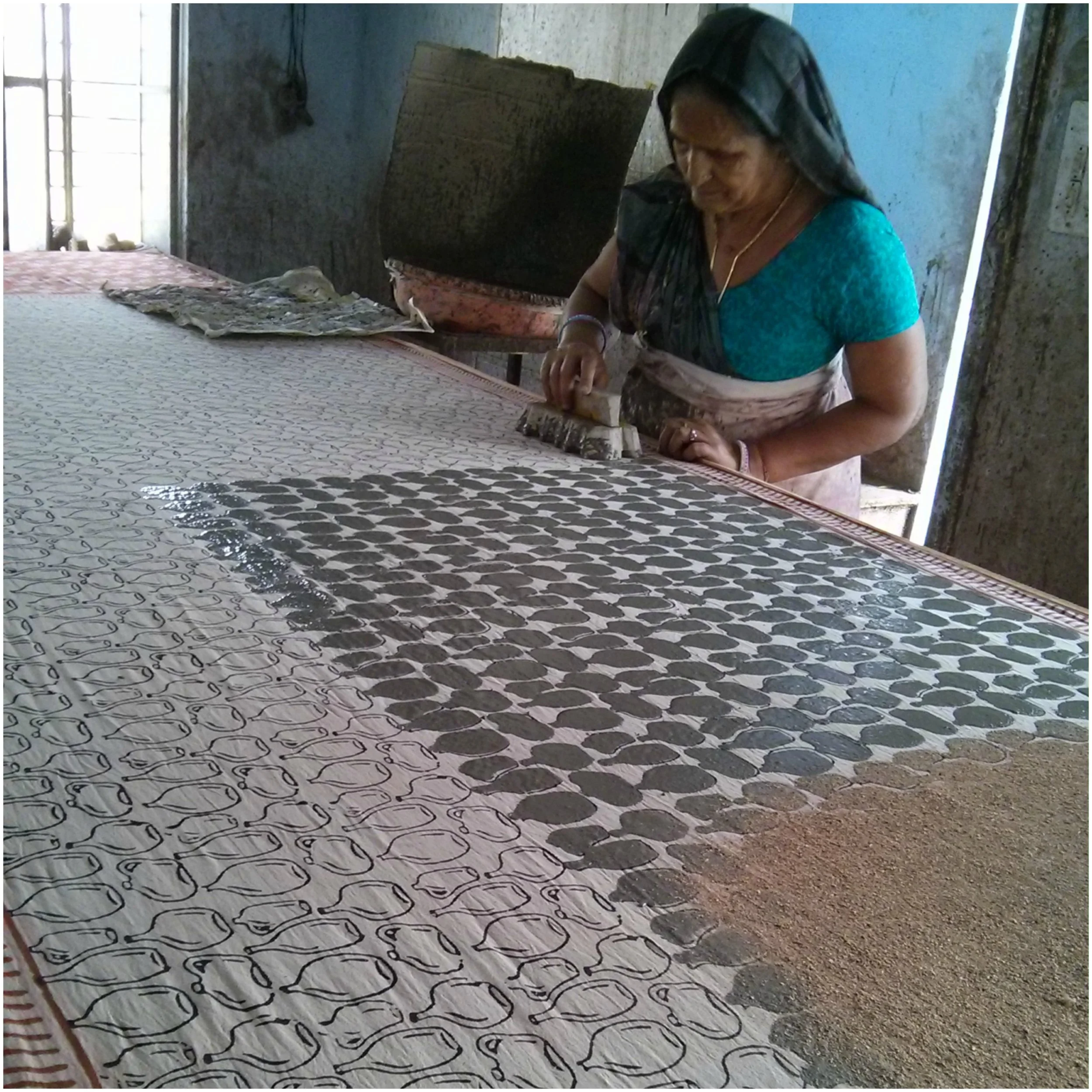
Bindaas Unlimited, a New Delhi-based creative enterprise, has worked directly with artisan communities, especially traditional block printers, to translate Indian heritage techniques into products that resonate with modern consumers, for more than three decades. Bindaas Unlimited collections feature playful, contemporary handcrafted textiles — hand-printed sarees, stoles, t-shirts, home textiles and accessories — made with natural dyes and traditional mud resist printing techniques.
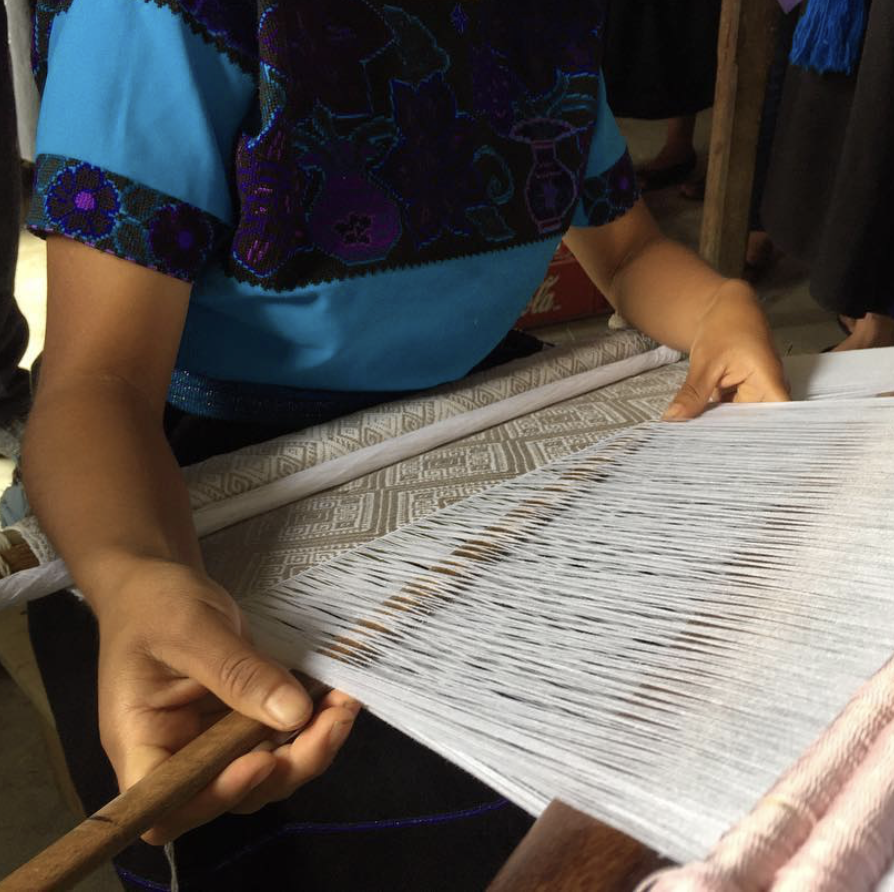
Kip Tik, a social enterprise based in San Cristóbal de las Casas, Chiapas, Mexico, develops contemporary artisan collections rooted in traditional textile techniques from Indigenous and rural communities across five regions in Mexico. Kip Tik collections feature handwoven and embroidered textiles and accessories rooted in ancestral Tzotzil and Tzeltal Mayan craft traditions. The product lines include garments, accessories, and textile-based home and custom pieces designed for international markets.
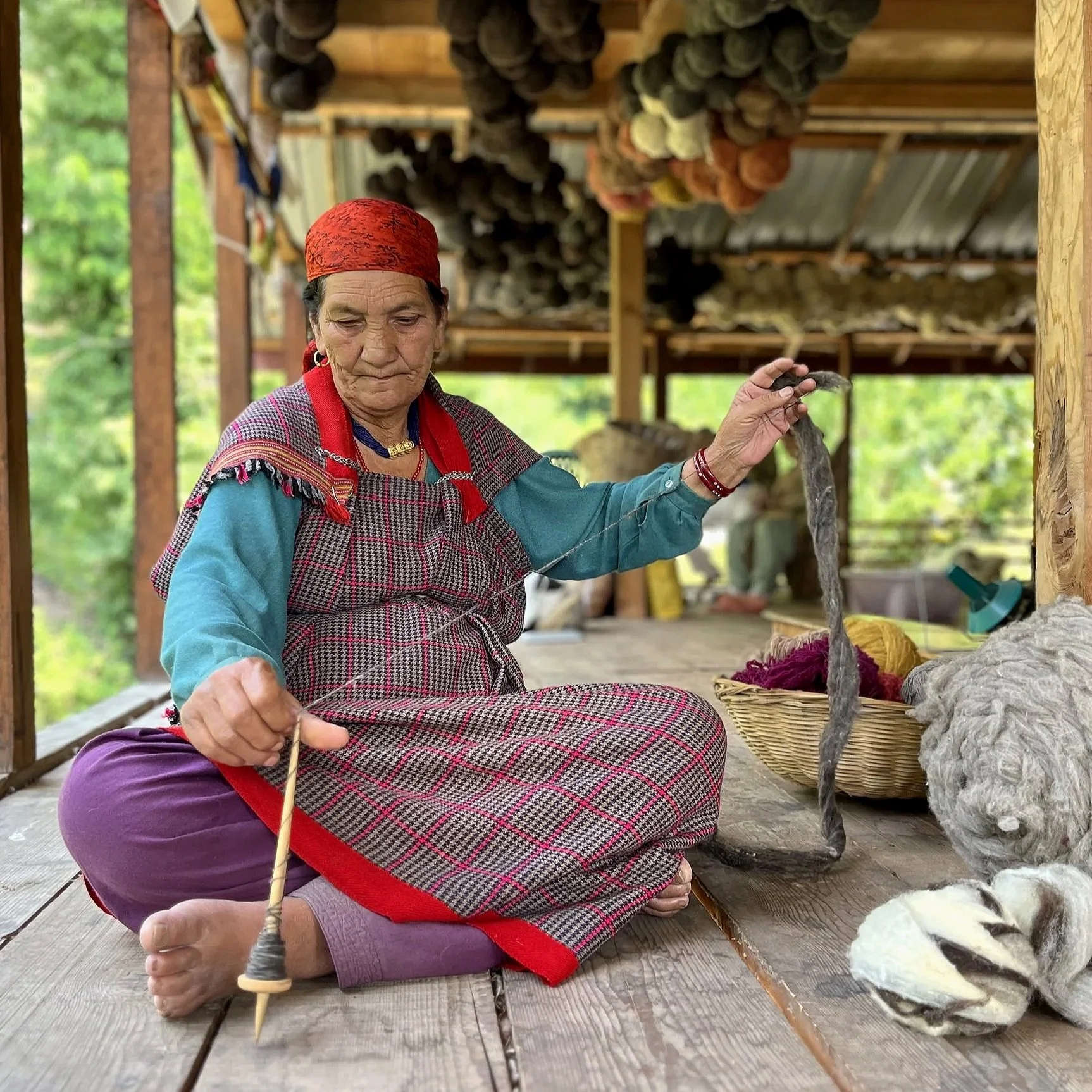
Kullvi Whims, is a social enterprise rooted in the Kullu Valley of Himachal Pradesh, India, working at the intersection of Himalayan textile heritage, ecological practice, and community livelihood. The enterprise works with over 400 spinners, knitters and weavers across 14 clusters in the valley, and 200 Gaddi shepherd families who supply indigenous wool. Kullvi Whims collections feature handknit and handwoven woolen apparel naturally dyed with local flora, incorporating traditional embroidery from the Bakrewal nomadic herding community of Jammu and Kashmir.
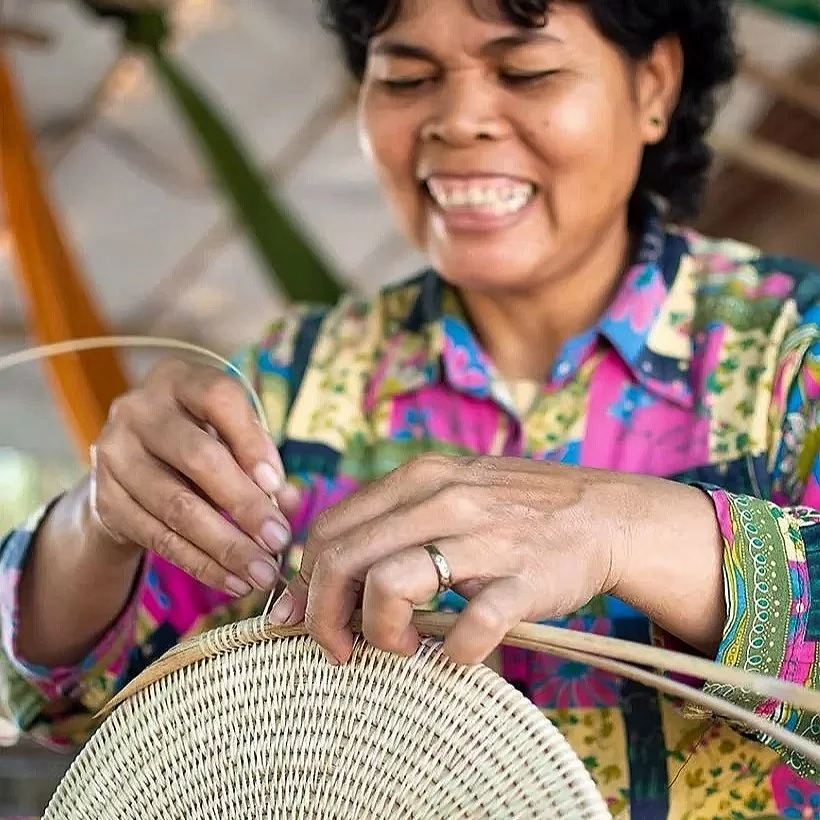
MANAVA, a social enterprise based in Siem Reap, Cambodia, works with more than 50 women artisans in the village of Krobey Riel. MANAVA collections feature handwoven basketry, homeware and fashion accessories made from locally sourced rattan palm and willow grass, using weaving techniques and Kbach patterns rooted in more than 1,000 years of Khmer tradition. By transforming traditional weaving techniques into contemporary designs, MANAVA connects artisans to international markets, increasing their income, while bringing recognition and value to their work.
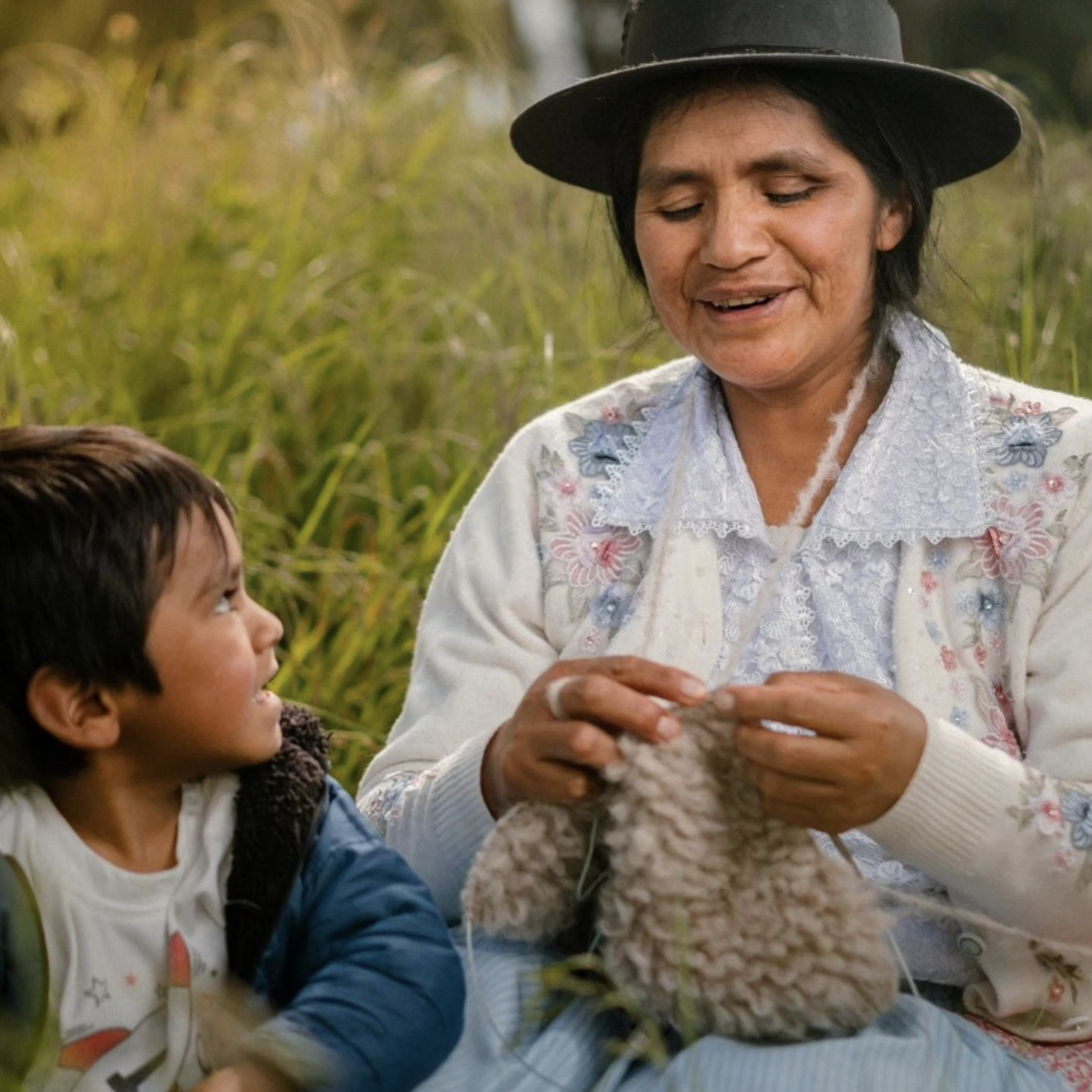
MIA PERU, a fair trade enterprise based in Lima, Peru, works with 270 women artisans from indigenous communities in the Andes. MIA PERU collections feature handknit luxury apparel crafted from Peruvian baby alpaca wool using ancestral knitting techniques passed down through generations. The enterprise works to expand income opportunities, promote financial independence for women, and ensure that traditional techniques remain relevant across generations.

Né Nepal, a women-founded design enterprise based in Kathmandu, works with 178 artisans in artisan groups across Nepal. By reimagining traditional techniques through contemporary design and connecting artisans to global markets, the enterprise aims to make craft both economically sustainable and aspirational. Né Nepal collections feature handcrafted jewelry, ceramics, candles, hand-rolled incense and felt home goods made with traditional Nepali craft techniques and locally sourced materials including lokta paper and organic natural ingredients.
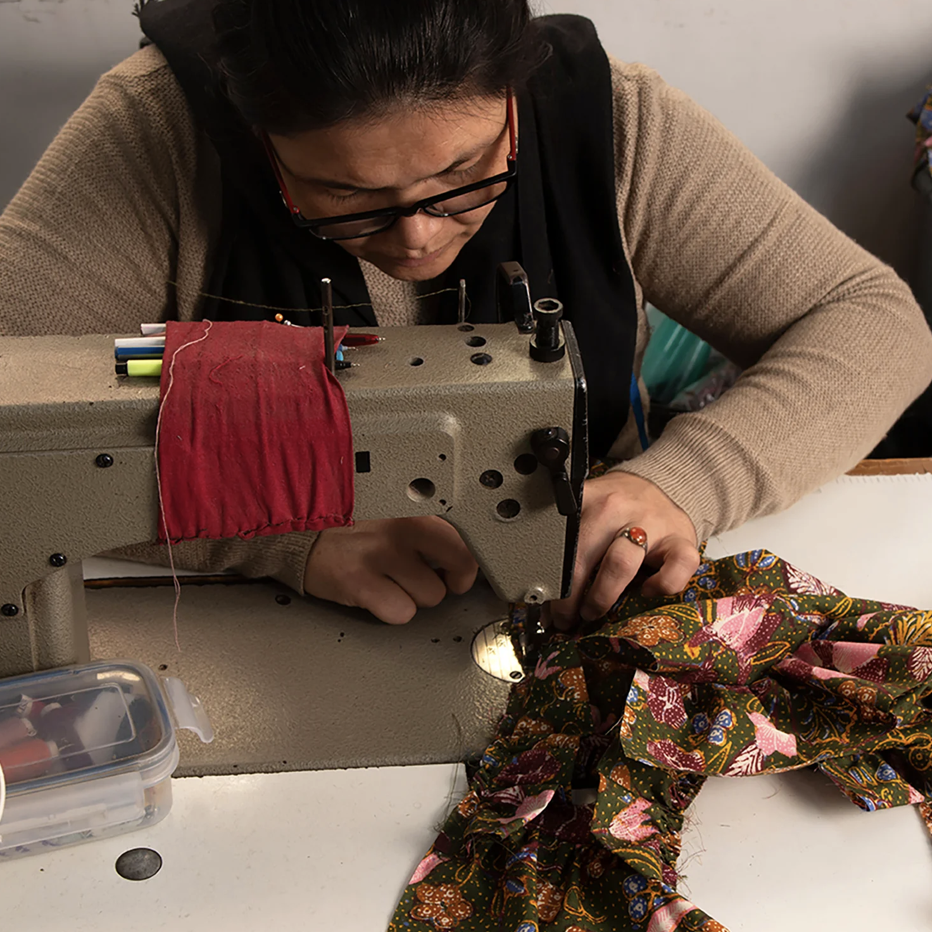
SilaiWali, a fair trade enterprise based in New Delhi, India, works with 70 women artisans, including Afghan refugees and tribal artisans from West Bengal. SilaiWali’s mission is to transform textile waste into meaningful, one of a kind, handcrafted products while creating sustainable livelihoods for displaced and marginalized women. SilaiWali collections feature home décor, dolls, accessories and ornaments upcycled from textile waste, diverting over 16 tons of fabric waste from landfills to date.
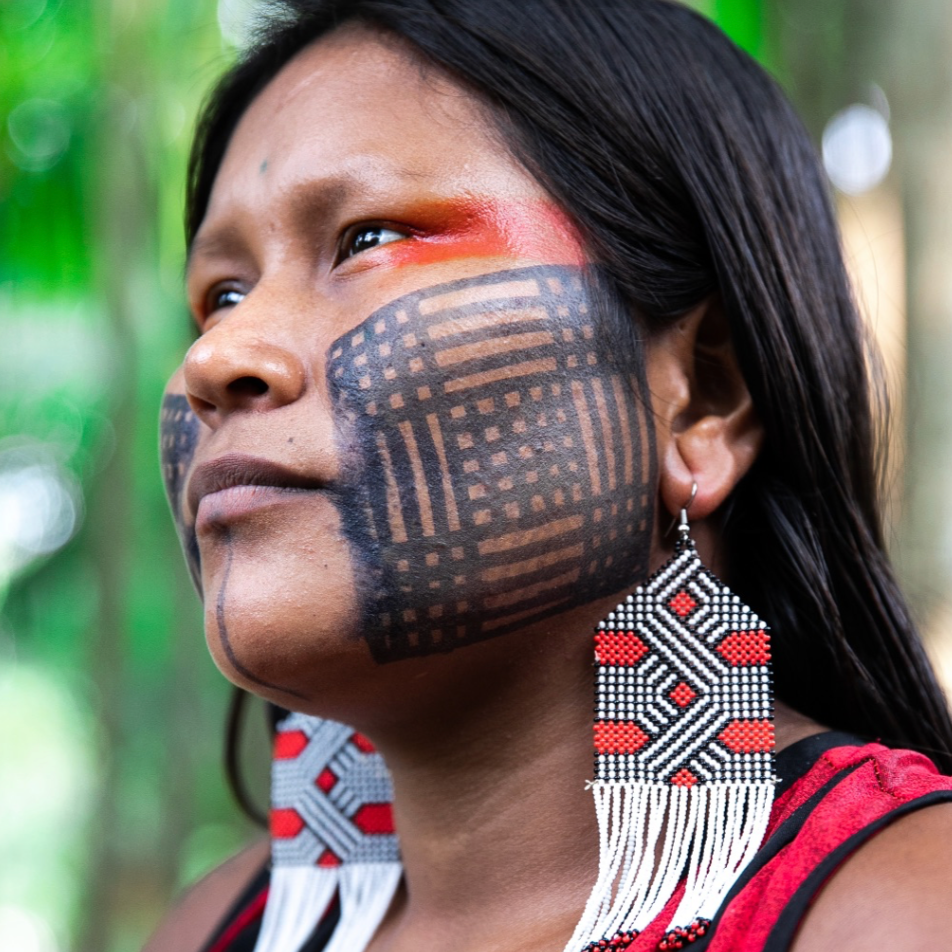
Tucum Brasil is a certified B Corporation and an Origens Brasil certified marketplace based in Rio de Janeiro, Brazil. Tucum’s network spans more than 100 Indigenous peoples across 8 states of the Brazilian Amazon, directly connecting 4,600 artisans — 3,400 women — to ethical market opportunities, and contributing to the protection of 2.9 million hectares of forest. Tucum Brasil’s collections feature handcrafted jewelry, basketry, ceramics and art made from seeds, beads, fibers and other traditional materials.
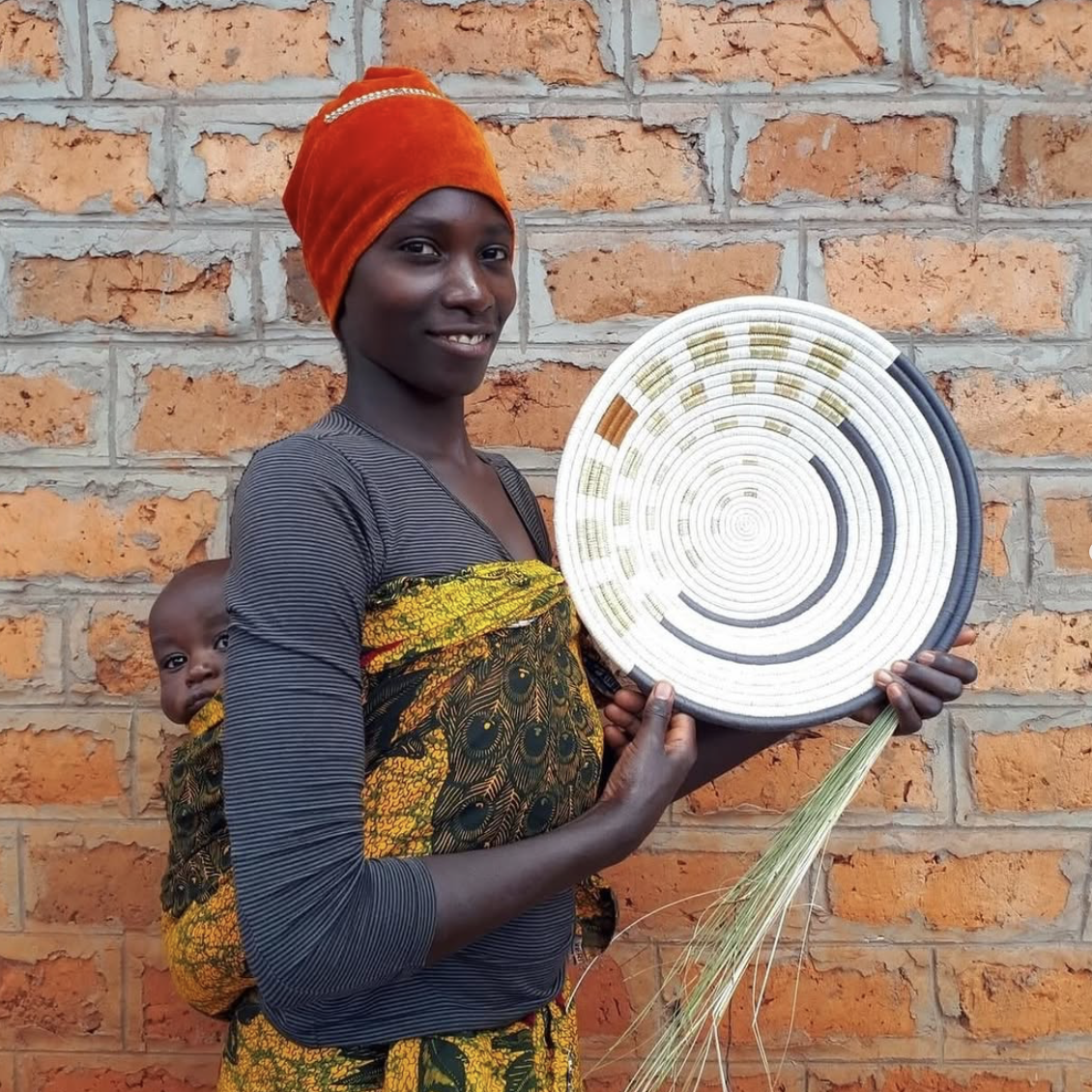
WomenCraft is a social enterprise that creates sustainable economic opportunities for women artisans in rural Tanzania and Burundi through the production of high-quality, design-led, handcrafted home décor. Based in Tanzania, WomenCraft works with more than 570 women artisans in the remote tri-border region of Tanzania, Rwanda and Burundi. WomenCraft collections include coiled baskets, bowls and wall décor, crafted from locally harvested grasses, raffia and banana fiber using weaving traditions passed down for generations in the communities of this region.
The R.I.S.E. Artisan Fund invests in early-stage artisan enterprises creating sustainable livelihoods for rural communities with few economic alternatives. The fund deploys capital using a range of investment vehicles from grants to revenue-based equity investments while seeking a return of capital for further investment, thus creating a reinvestment cycle that multiplies the catalytic impact of philanthropic capital.
Initial funding for the market development grant program has been provided by the Rucker/Gibbs Family Charitable Fund. Additional sponsors are invited to join us in investing in artisan enterprises around the world.
Contact ellen@sproutenterprise.net for more information or click here to invest in the fund.